

Written by Stuart Simmonds – VP Business Development & Marketing
November 4, 2026
An industrial UPS and a commercial UPS solve the same basic problem: keeping power on when the supply falters. But they are engineered for very different operating conditions.
A commercial UPS is typically designed for offices, IT rooms, and equipment operating in controlled environments. An industrial UPS is designed to support critical process loads, withstand more demanding operating conditions, and remain serviceable over a long operating life.
Using a commercial UPS on a critical industrial load may look like a reasonable choice at first, but the limitations can become apparent over time. The difference goes beyond power ratings and purchase price. Operating environment, load criticality, reliability, and long-term support all play a role in selecting the right system.
This article explores those differences, using industrial UPS systems from AMETEK Solidstate Controls as a reference and drawing on the considerations that matter when protecting critical process applications.
What you’ll learn from this article:
- Why “a UPS is a UPS” is a costly assumption in industrial settings
- How operating environment and load criticality influence UPS selection
- The differences in reliability, lifecycle, and serviceability
- The warning signs that a commercial UPS may not be enough
- Where industrial UPS systems fit in critical process applications
Introduction.
A UPS is a UPS, right? On paper, both an industrial and a commercial unit do the same job: they keep the load powered when the incoming supply sags or drops. In practice, the two are designed around completely different assumptions about where they live, what they protect, and how long they have to last.
That difference matters most in critical process applications, where a UPS may sit in a hot, dusty, vibrating environment, protect a load that cannot be allowed to trip, and be expected to run reliably for many years. A UPS designed for an office environment may not be equipped to handle those same demands.
The differences are not always obvious from a product’s power rating or purchase price. They become much more important when considering how the UPS will perform, be maintained, and support the process over its operating life.
For a broader look at the role of power protection in critical applications, read our article on why industrial power protection matters in critical process applications.
“A UPS is a UPS” is a costly assumption.
The two product classes look similar and the headline function is identical, so it’s easy to choose on price and rating alone. But the differences in enclosure design, components, tolerance to heat and dust, expected lifespan, and serviceability can have a significant impact on how a UPS performs in an industrial environment.
Those differences may not be obvious at the time of purchase. They often become more apparent over time, particularly when a UPS is exposed to conditions or operating demands it wasn’t designed to handle.
Environment and operating conditions.
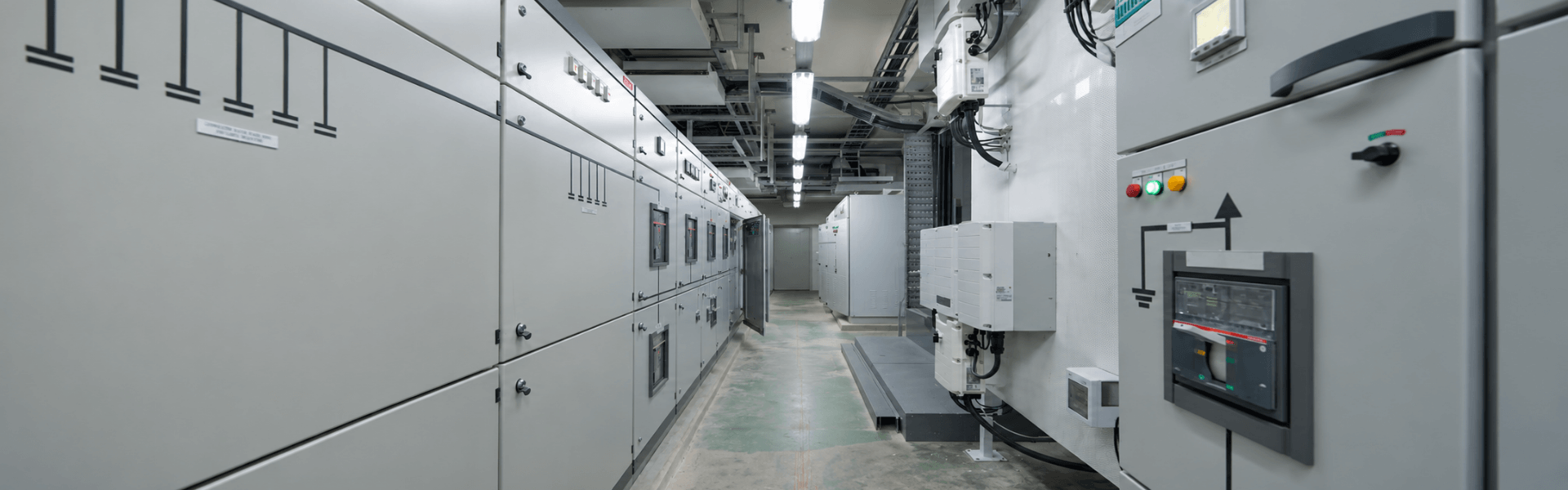
Commercial UPS systems are typically designed for controlled environments: stable room temperatures, clean air, and easy access for maintenance. Industrial UPS systems may need to operate under much tougher conditions, including temperature fluctuations, dust, contaminants, and vibration.
These conditions influence how the UPS is engineered, from its enclosure and thermal management to the selection of internal components. It’s more than a difference in labels.
Critical loads vs. general loads.
A commercial UPS typically protects IT and office equipment, while an industrial UPS is often responsible for keeping critical process equipment running. In industrial applications, losing power to analyzers, control systems, or safety equipment can interrupt production, affect process control, or create safety risks.
The more critical the load, the more important it becomes to consider the UPS’s reliability, operating conditions, and ability to support the equipment when power is disrupted.
Reliability, lifecycle, and serviceability.
This is where the gap is widest. Industrial UPS systems are built for long service life and designed to be serviced in place, with access to replacement parts and technical expertise years after purchase. Rather than simply replacing the entire unit, maintenance and repair can be part of the long-term support strategy.
In a plant, the ability to maintain and support a UPS over a decade or more can matter just as much as its initial specifications and purchase price.
| Factor | Commercial UPS | Industrial UPS |
|---|---|---|
| Designed for | Offices, IT rooms, and general-purpose equipment | Industrial processes, analyzers, control and safety systems |
| Environment | Typically clean, climate-controlled environments | Designed for more demanding operating conditions, depending on model |
| Loads protected | IT and office equipment | Critical process, control, and safety equipment |
| Lifecycle | Often designed for shorter replacement cycles | Designed for long service life and ongoing maintenance |
| Serviceability | Service options vary; unit replacement may be preferred | Designed for field maintenance, with access to replacement parts and technical support |
Signs a commercial UPS isn’t enough.
A few practical signs that an application may have outgrown a commercial UPS: the unit operates in a hot, dusty, or vibrating environment; it protects an analyzer, controller, or safety system where an unexpected interruption could have serious consequences; it’s installed in a remote location where quick replacement isn’t practical; or it’s expected to remain in service for many years.
When several of these conditions apply, an industrial UPS may be the better long-term choice. The higher initial investment can be justified by greater serviceability, reduced risk of unplanned downtime, and the ability to maintain the system over its operating life.
Where AMETEK Solidstate Controls fits.
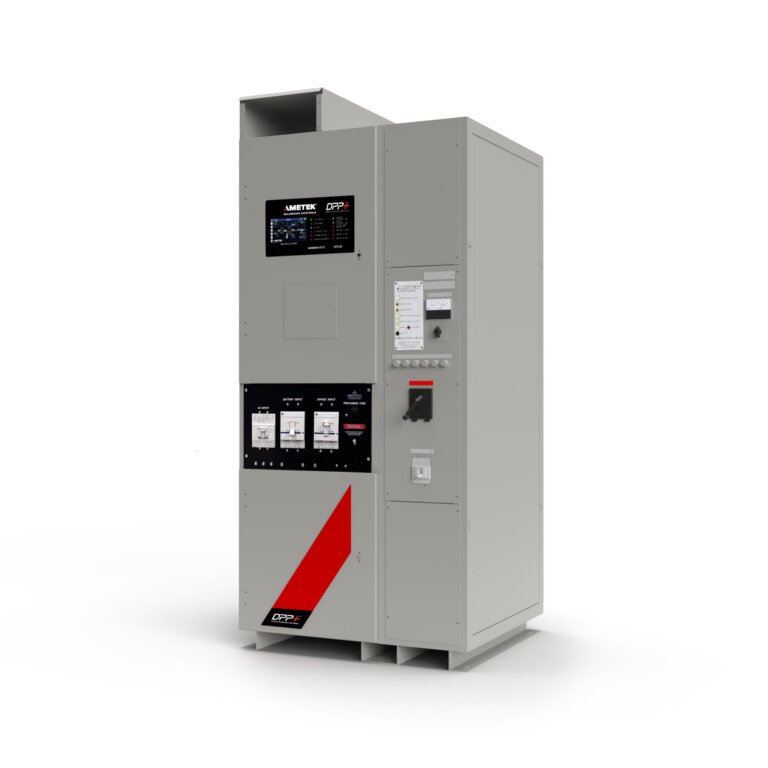
AMETEK Solidstate Controls designs industrial UPS systems for demanding applications where reliable power is essential. Its portfolio also includes battery chargers, inverters, power conditioners, and remote bypass switches that support critical power applications.
As AMETEK Solidstate Controls’ Canadian sales partner, Novatech helps customers evaluate their power protection requirements, understand the available solutions, and select equipment suited to their applications, backed by local technical, commercial, and application support.
How Novatech helps.
Choosing between commercial and industrial UPS systems isn’t really a spec-sheet exercise. It’s a judgment about operating environment, load criticality, and the years ahead.
That’s where having the right technical guidance matters. Novatech works with customers to understand the equipment being protected, the conditions in which the UPS will operate, and the application’s power protection requirements. Together with AMETEK Solidstate Controls, we help customers evaluate suitable solutions and make informed decisions based on their operational needs.
If you’re evaluating power protection for critical process equipment, talk to a Novatech specialist to discuss your application and find the right solution.
Frequently asked questions.
What is the difference between an industrial UPS and a commercial UPS? Both provide backup power, but they are designed for different operating requirements. Commercial UPS systems typically protect IT and office equipment in controlled environments. Industrial UPS systems are designed for more demanding conditions, critical process loads, long operating life, and ongoing serviceability.
Can I use a commercial UPS in a plant? Yes, depending on the application. A commercial UPS may be suitable for non-critical equipment installed in a protected environment. For critical process, control, or safety equipment, particularly in demanding operating conditions, an industrial UPS is generally the more appropriate choice.
Why is an industrial UPS more expensive? Industrial UPS systems typically involve a higher initial investment because of their design requirements, component selection, and emphasis on reliability and long-term serviceability. When evaluating costs, it’s important to consider more than the purchase price, including maintenance, equipment replacement, and the potential cost of unplanned downtime.
Who supplies AMETEK Solidstate Controls industrial UPS systems in Canada? Novatech is AMETEK Solidstate Controls’ Canadian sales partner, providing technical, commercial, and application support to help customers evaluate and select industrial power protection solutions.
Takeaway.
Industrial and commercial UPS systems share a function but not a design philosophy. A commercial UPS is typically designed for controlled environments, while an industrial UPS is built to meet the demands of critical process applications, including challenging operating conditions, long service life, and ongoing maintenance requirements.
Choosing by power rating and purchase price alone can overlook the differences that matter most once the equipment is installed.
The right choice considers the operating environment, the criticality of the load, and the availability of parts and technical support over time. Get that right, and the UPS protects the process instead of becoming the next thing that fails in it.
Be the first to read our articles
Written by Stuart Simmonds – VP Business Development & Marketing
Write to Stuart at: stuart.simmonds@novatech.ca
